Living in Cranford, NJ, homeowners depend on reliable garage openers. When a unit falters, timely garage door opener repair can prevent a stuck car, security gaps, or bigger mechanical failures. This guide explains when to replace common opener parts, what signals to watch for, and how local weather and usage affect lifespan.
Quick signs you need garage door opener repair parts
Not every squeak or slowdown means a full replacement. Still, some symptoms point to worn parts. Call for garage door opener repair if you notice:
- Unusual grinding or humming noises from the motor or gearbox.
- Slow or inconsistent travel—door starts, stops, or reverses unexpectedly.
- Remote control range suddenly drops or the opener misses commands.
- Visible belt fraying, chain sag, or broken drive components.
- Sensors fail to detect the door’s path or the safety reverse no longer works.
These issues often mean a component (motor, belt, chain, sensors, or circuit board) is failing and should be inspected or replaced to avoid a full opener failure.
Which parts wear out first (and when to replace them)
Motor and gearbox
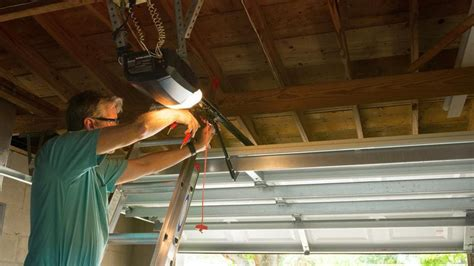
The motor does the heavy lifting. After roughly 10–15 years of typical residential use, motors can overheat, lose torque, or develop burnt windings. If the opener hums but the door moves very slowly or not at all, the motor or gearbox is likely the culprit. In Cranford’s seasonal climate—hot, humid summers and cold winters—motors that were marginal will fail sooner.
Belt, chain, and drive components
Belt drives usually last 8–12 years; chains can last longer but will stretch and wear. Look for fraying on belts, noticeable slack in chains, or metal wear on sprockets. Replace these at the first sign of serious wear rather than waiting for a break, which often happens at the worst moment.
Logic board and remote/receiver
Circuit boards and receivers can be damaged by power surges or moisture. If remotes stop pairing, or the opener responds erratically to wall controls, the electronics may be failing. A qualified technician can test electronics and replace the board if needed.
Sensors, rollers, and smaller parts
Photo-eye sensors and rollers are inexpensive compared with motors. Misaligned or dirty sensors are often repairable; broken sensors, worn nylon rollers, or damaged cables should be replaced promptly to maintain safe operation.
When to DIY vs. call a pro
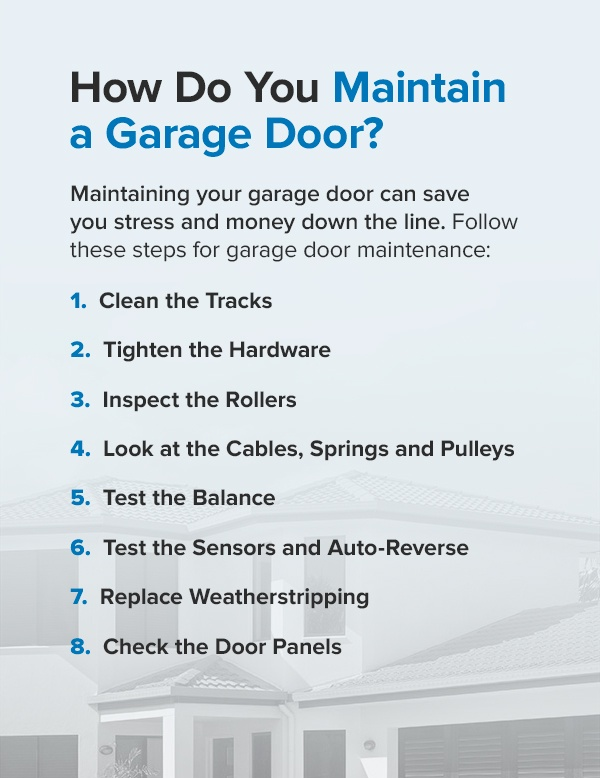
Homeowners can handle light maintenance: lubricating moving parts, tightening hardware, and keeping sensors clean. But replace these parts only by professionals:
- Torsion springs or any spring under tension (dangerous to handle).
- Motor or internal gearbox components.
- Complex electronics (logic board, radio receiver) when troubleshooting is required.
If you detect electrical burning smells, visible smoke, or the opener won’t move despite power, stop using it and schedule professional garage door opener repair right away.
For residential service options and labor details, see our services page to match job scope with experienced technicians.
Maintenance that delays replacement
Routine care extends life and reduces the chance you’ll need emergency garage door opener repair. Recommended habits:
- Annual inspection by a qualified technician to check belts, chains, and motors.
- Lubricate rollers, hinges, and bearings with manufacturer-recommended products.
- Keep photo-eye sensors aligned and clean—salt spray and road grime in winter can mask the beam.
- Replace batteries in remotes and keypad transmitters every 1–2 years.
- Use surge protection for garage circuits—New Jersey storms and occasional lightning surges can damage electronics.
Want seasonal tips or step-by-step checks you can perform safely? Read our technician notes and seasonal tips on the blog.
Local factors in Cranford, NJ that affect part life
Two local realities change replacement timing:
- Winter freeze: Cold temperatures stiffen grease and slow motors, increasing strain during startup and accelerating wear when parts are marginal.
- Road salt and humidity: Salt-laden humidity can corrode exposed hardware and sensor housings—inspect more often in cold months.
Because of these conditions, parts often need replacement slightly earlier than factory lifespans suggest. If your opener is over 10 years old and exhibits intermittent faults, plan for parts replacement or system upgrade before a winter freeze.
Cost, timelines, and warranties
Typical local ranges (Cranford, NJ) for part replacements vary by model and labor:
- Belts or chains: $150–$350 installed.
- Motors/gearbox: $300–$700 depending on opener type.
- Logic boards or receivers: $120–$350 including programming.
- Sensors, remotes, small parts: $50–$180.
Most professional services in the area offer limited warranties on replaced parts and labor—ask for warranty details and keep receipts. For an on-site estimate and clear timeframes, contact us—many replacements are same-day or next-day depending on part availability.
How to prioritize repairs
When budgets or schedules are tight, prioritize safety and security:
- First: Repair or replace safety sensors and the auto-reverse mechanism.
- Second: Fix or replace failed electronics that cause erratic behavior.
- Third: Address drive components that show wear but haven’t failed yet.
Replacing a sensor or logic board can be a small job that restores safe operation immediately, while motor replacement is costlier but necessary for worn units.
For a service checklist tailored to Cranford homes and typical garage door loads, our technicians can evaluate your system and provide an itemized plan.
Use the local guide phrase for reference: garage door opener repair nj when to replace parts guide—keep it handy when scheduling inspections.
Frequently Asked Questions
Q: Will Cranford’s winter cause my opener to fail sooner?
A: Cold winters can stiffen lubricants and increase startup strain. If your opener is older than 8–10 years, schedule an inspection before heavy freeze to avoid sudden failure.
Q: How long does part replacement usually take in Cranford?
A: Most sensor, remote, or board replacements take 30–90 minutes. Motor or gearbox replacements generally take 2–4 hours and may require same-day parts ordering.
Q: What price range should I expect for common repairs?
A: Expect $150–$350 for belts/chains, $300–$700 for motors/gearboxes, and $120–$350 for electronic boards—final price depends on model and labor.
Q: Do I need a permit in Cranford for opener replacement?
A: Replacing an opener or parts typically does not require a building permit. If electrical work or structural changes are involved, check Cranford township codes or ask our technician to confirm.
Q: Will replaced parts come with a warranty?
A: Yes—most professional installers provide limited warranties on parts and labor. Confirm warranty length and coverage before work begins.
Helpful local resources in Cranford, NJ
- Garage Door Repair Hoboken
- Garage Door Repair Montclair
- Garage Door Repair Westfield
- Garage Door Repair Summit
- Garage Door Repair Maplewood
- Garage Door Repair Livingston
- Garage Door Repair Short Hills
- Garage Door Repair Princeton
- Garage Door Repair Red Bank
- Garage Door Repair Morristown
- Garage Door Repair Chatham
- Garage Door Repair Mendham
- Garage Door Repair Bernardsville
- Garage Door Repair Bedminster
- Garage Door Repair Clinton
- Garage Door Repair Tenafly
- Garage Door Repair Ridgewood
- Garage Door Repair Upper Saddle River
- Garage Door Repair Wyckoff
- Garage Door Repair Basking Ridge
- Garage Door Repair South Orange
- Garage Door Repair Teaneck
- Garage Door Repair Fort Lee
- Garage Door Repair East Brunswick
- Garage Door Repair Montvale
- Garage Door Repair Haddonfield
- Garage Door Repair Marlboro
- Garage Door Repair Cranford
- Garage Door Repair Voorhees
- Garage Door Repair North Caldwell