Homeowners in Cranford, NJ often ask whether a new garage door can make the house quieter. A well-planned garage door installation can reduce rattles, vibration and outside noise—improving comfort for families and nearby bedrooms within a few feet of the garage.
Why noise matters with garage door installation
Noise from garage doors is more than an annoyance. It can disturb sleep, interfere with home offices, and make a good home improvement investment feel unfinished. When considering garage door installation, think beyond curb appeal to how materials, hardware and sealing affect sound transfer into your home.
Common noise sources
- Loose or worn rollers and hinges—these create clatter on each cycle.
- Uninsulated panels and thin steel—thin skins vibrate and act like speakers.
- Open gaps at the perimeter—wind and traffic noise leak through.
- Older openers with noisy gear drives—these can add mechanical noise inside the garage.
Practical noise-reduction steps during installation
The most effective noise-fighting measures are installed at the time of garage door installation. Planning ahead saves labor and prevents retrofit costs.
1. Choose insulated panels
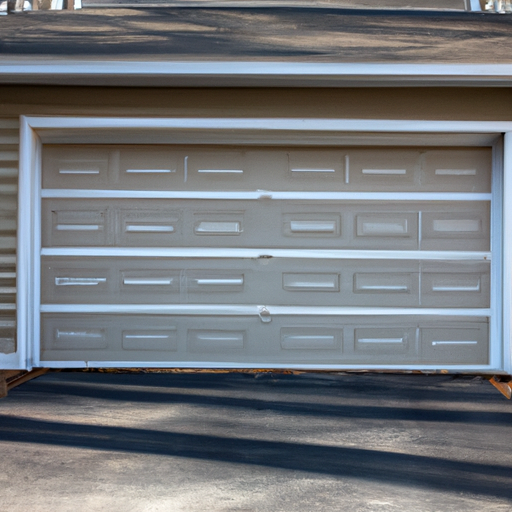
Insulated doors with a thick polyurethane or polystyrene core damp vibration better than single-skin steel. For garage door installation in NJ where street noise and seasonal temperature swings are common, choose an R-value that fits both comfort and budget.
2. Upgrade rollers and tracks
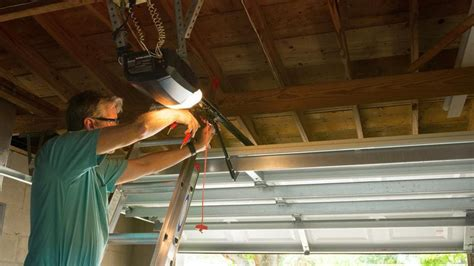
Sealed ball-bearing rollers and properly aligned tracks reduce squeaks and metal-on-metal impacts. During garage door installation ask the installer to inspect jambs and header brackets and to replace worn rollers rather than reusing old hardware.
3. Install rubber seals and threshold strips
Tight perimeter sealing is inexpensive and blocks airborne noise. Bottom seals, vinyl astragals and jamb seals cut wind-driven sounds and prevent rattling when the door closes in a gust.
4. Use vibration-dampening fasteners and insulation blankets
Specialized screws and insulated backing pads reduce the way panels transmit vibration into framing. For maximum reduction, an installer can fit an insulation blanket behind the door or add acoustic tape at joints during garage door installation.
Hardware and opener choices that reduce noise
Not all openers perform the same. When planning garage door installation, compare these drive types:
- Direct-drive openers—offer the quietest operation with fewer moving parts.
- Belt-drive openers—very quiet and a reliable choice for attached garages near bedrooms.
- Screw-drive openers—moderate noise and lower cost, but can be louder under temperature extremes.
Couple a quiet opener with nylon rollers and tight hardware for the best overall reduction.
Installation checklist for homeowners
Before you schedule garage door installation, run through this checklist so the job addresses noise as well as fit and finish.
- Confirm desired R-value and panel material (steel with polyurethane or insulated wood composite).
- Request sealed ball-bearing rollers and reinforced brackets for heavier insulated doors.
- Ask the installer to include perimeter seals, threshold strips and weatherstripping in the bid.
- Choose a belt or direct-drive opener if interior noise is a priority.
- Schedule installation when minor framing repairs can be done—loose framing amplifies sound.
Local contractors familiar with Cranford weather patterns can advise about condensation and thermal expansion that affect long-term noise performance. See examples of past projects and homeowner tips on our blog covering local issues.
Costs, timelines and what to expect
Budget and timing for garage door installation vary by door type and extras. Typical timelines are one to two days for a standard replacement with an opener. More complex installations that change track type or reinforce framing can take longer.
Expect price differences based on insulation, panel style and opener selection. A simple replacement with a basic insulated steel door and belt-drive opener will be less than a full custom insulated wood door with reinforcement. Always ask for a detailed written estimate so noise-related upgrades are itemized.
Maintenance to keep noise down
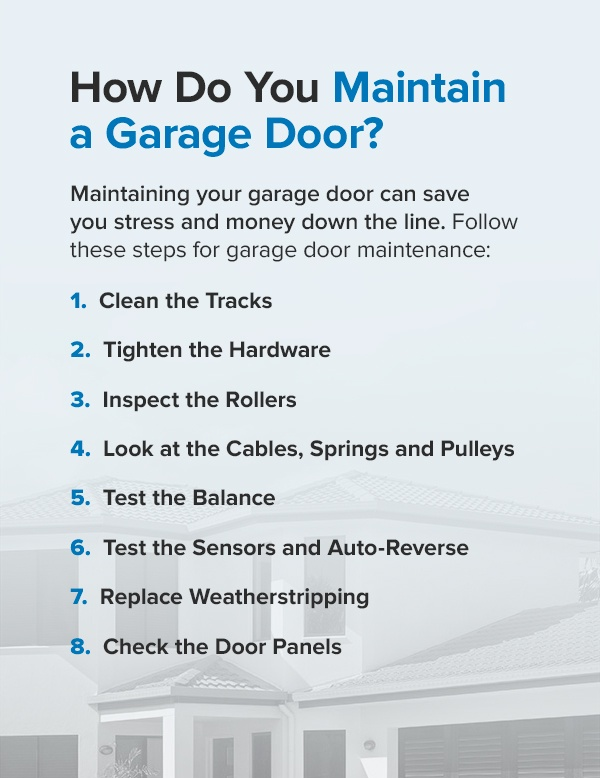
Even a properly installed door needs seasonal attention. Regular maintenance extends life and prevents new noises from developing.
- Lubricate bearings and hinges annually with silicone or lithium grease.
- Check and tighten loose fasteners and brackets every six months.
- Replace weatherstripping when it becomes brittle to maintain a tight seal.
- Test the opener and safety sensors regularly to avoid sudden, noisy failures.
Working with contractors in Cranford
Choose an installer who documents the noise-control items in the contract: insulation R-value, roller type, seal specifications and the opener model. Ask to see example installations in Cranford or nearby communities so you can hear the operational difference in person.
We list services and explain common upgrades on our services page to help you compare options before a site visit: https://garagedoors-cranford.com/services.
When you’re ready to get a precise, local estimate, reach out through our contact page to schedule an on-site assessment where a technician will inspect framing, note existing noise paths, and recommend targeted fixes: https://garagedoors-cranford.com/contact.
Choosing the right combination of insulated panels, quiet hardware and proper sealing during garage door installation protects your investment and delivers a noticeably quieter home environment.
Frequently Asked Questions — Cranford, NJ
1. How much quieter will a new door be compared with my old single-skin steel door?
Insulated doors with polyurethane cores typically reduce perceived noise by half compared with thin single-skin steel. Exact results depend on framing and opening gaps; adding sealed rollers and perimeter seals multiplies the benefit.
2. Does Cranford require a permit for a garage door installation?
Minor replacements that don’t alter structural framing often do not need a permit, but rules vary. Check with Cranford Building Department for your address. When in doubt, ask your contractor to confirm permit requirements before work begins.
3. How long does a typical residential garage door installation take?
Most straightforward replaces finish in one day. If the job includes reinforcing the header, switching track types, or installing a heavier insulated door, plan for one to two days and a scheduled return to adjust sensors and seals.
4. What price range should Cranford homeowners expect for a noise-focused installation?
A noise-focused garage door installation can range widely: budget insulated steel doors with a quality belt-drive opener often start under $1,200, while premium insulated panels, upgraded hardware and installation can reach $2,500–$4,000. Get a written estimate that lists noise-control items.
5. Are there warranties that cover noise issues?
Manufacturers commonly offer panel and spring warranties; some installers provide parts-and-labor warranties for a set period. Warranties rarely cover sound complaints unless a defective part is identified—keep records of installation details to support any claims.
Helpful local resources in Cranford, NJ
- Garage Door Repair Hoboken
- Garage Door Repair Montclair
- Garage Door Repair Westfield
- Garage Door Repair Summit
- Garage Door Repair Maplewood
- Garage Door Repair Livingston
- Garage Door Repair Short Hills
- Garage Door Repair Princeton
- Garage Door Repair Red Bank
- Garage Door Repair Morristown
- Garage Door Repair Chatham
- Garage Door Repair Mendham
- Garage Door Repair Bernardsville
- Garage Door Repair Bedminster
- Garage Door Repair Clinton
- Garage Door Repair Tenafly
- Garage Door Repair Ridgewood
- Garage Door Repair Upper Saddle River
- Garage Door Repair Wyckoff
- Garage Door Repair Basking Ridge
- Garage Door Repair South Orange
- Garage Door Repair Teaneck
- Garage Door Repair Fort Lee
- Garage Door Repair East Brunswick
- Garage Door Repair Montvale
- Garage Door Repair Haddonfield
- Garage Door Repair Marlboro
- Garage Door Repair Cranford
- Garage Door Repair Voorhees
- Garage Door Repair North Caldwell