Smart timing for garage door repair in Cranford, NJ
If you own a home in Cranford, NJ, you already know how seasonal weather and daily use affect garage doors. When deciding when to replace parts for garage door repair, timing matters for safety, cost and long-term performance. This guide helps Cranford homeowners spot worn components, estimate timelines, and choose the right residential service.
Common parts that need replacement
Most service calls for garage door repair involve a handful of repeat offenders. Replace or service these parts before a small problem turns into a full system failure.
1. Torsion and extension springs
Springs handle the door’s weight. In NJ, cold winters accelerate metal fatigue. If the door sags, opens unevenly, or makes a loud pop, springs are often the cause. For safety, springs should be replaced in matched pairs and by a trained technician. Expect a spring life of 5–15 years depending on usage; heavy use in multi-car households shortens that life.
2. Garage door opener and drive components
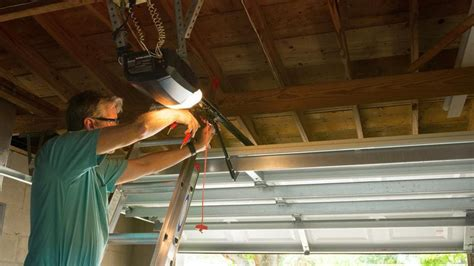
An older opener struggling to lift a modern insulated door may be past its prime. Signs you need a new opener include slow response, frequent safety sensor trips, or noisy operation. Replacing the opener during other repairs can save labor and reduce repeat calls for garage door repair.
3. Rollers, hinges and tracks
Plastic or worn rollers create jerky movement. Metal rollers with sealed bearings last longer, but all rollers eventually wear. Bent tracks or loose hinges also affect balance. Replace damaged rollers and realign tracks promptly to avoid stress on springs and the opener.
4. Weather seals and bottom rubber
New Jersey storms and road salt can damage seals. Replacing worn bottom rubber and perimeter seals prevents drafts, moisture intrusion and pest entry — a simple step that complements other garage door repair work.
How to decide: repair vs. replace
Not every noisy part needs full replacement. Use a checklist to decide when replacement is the right call.
- Age: If the part is near the end of its expected service life, replacement is usually wiser.
- Cost to replace: For expensive parts like openers or torsion springs, compare replacement cost to the value of the door system.
- Frequency of failure: Repeated repairs indicate underlying wear. Multiple failures usually point to replacement.
- Safety risk: If a worn part could break and cause injury, replace it immediately.
Quick local examples
In Cranford homes with detached garages exposed to winter salt and cold, rollers and bottom seals often fail earlier. In attached garages that see heavy daily use, openers and springs may be due sooner. A local inspection identifies which scenario fits your property.
Typical timelines and budgets
Homeowners ask often: how long will parts last, and what should I budget? These ranges are local estimates for NJ conditions and standard residential garage doors.
- Springs: 5–15 years. Replace both springs together. Expect labor and parts costs that vary by spring type and door weight.
- Openers: 10–20 years. Smart openers or belt drives cost more but reduce noise and require less maintenance.
- Rollers: 5–12 years depending on material. Nylon or sealed-bearing rollers last longer.
- Tracks and hinges: Replace as needed; maintenance reduces replacement frequency.
- Weather seals: 3–7 years. Replacement is inexpensive and improves energy efficiency.
Prices depend on door size, material and access. For an accurate estimate or to discuss what parts need replacement at your Cranford home, schedule a consultation with a qualified technician who knows local conditions and code considerations. For more reading on common problems and seasonal tips, see our blog.
Safety and permits in Cranford, NJ
Work on springs and openers is hazardous. Use licensed technicians. Check Cranford or Union County requirements before major replacements; many minor part swaps do not require permits, but full door replacements or structural changes might. Ask your contractor to confirm whether a permit is needed to avoid delays.
Warranties and part selection
Choose parts with clear warranties. Springs, openers and electric components often carry manufacturer coverage. Keep invoices and warranty paperwork for resale value and future claims. Selecting higher-quality rollers or an upgraded opener can reduce calls for garage door repair over the next decade.
Preventive maintenance to extend part life
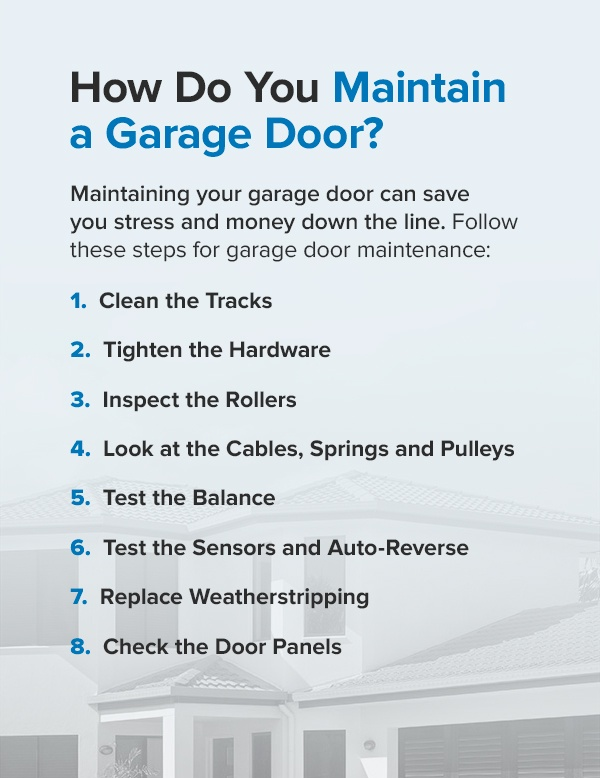
Routine care delays replacements and lowers total cost of ownership.
- Lubricate springs, rollers and hinges annually with recommended garage door lubricants.
- Inspect cables and pulleys for fraying or rust; replace at first sign of wear.
- Test balance and safety sensors monthly; an unbalanced door strains springs and the opener.
- Clear tracks of debris and rinse away salt after winter to prevent corrosion.
For homeowners who prefer a professional check, consider an annual service visit from a local residential service provider. Regular service reduces emergency calls for garage door repair and keeps warranties valid.
If you’re ready to take the next step, contact our local team for a quick estimate and same-week repairs. Use our convenient contact page to request service, or view our full list of offerings on the services page.
Signs you should call a pro today
- Door is off its tracks or visibly misaligned.
- Loud bangs or snapping sounds from springs.
- Opener struggles to lift the door or trips safety sensors repeatedly.
- Visible cable fraying or sudden slack in cables.
- Door sags on one side or closes with sudden speed.
Quick response prevents more costly damage and reduces safety risk. Local technicians can often replace worn parts on the same visit.
Frequently asked questions — Cranford, NJ
Q: How does Cranford weather affect garage door springs and when should I replace them?
A: Cold, wet winters and temperature swings speed up metal fatigue. If springs are over 7–10 years old or you hear a loud snap, schedule replacement immediately. A local tech can match spring size to door weight and install both springs together for balance.
Q: What is a realistic timeline to replace an opener in Cranford?
A: After assessment, most opener replacements are completed in 2–4 hours. Older units may require new wiring or rail changes which can extend time. Expect same-day or next-business-day appointments from local crews when parts are in stock.
Q: What price range should Cranford homeowners expect for common part replacements?
A: Local ranges: rollers or hinges $100–300, springs $150–350, openers $300–800+ depending on features. Final price varies with door size, labor and materials. Get a written estimate before work begins.
Q: Are there permits required in Cranford for garage door part replacement?
A: Minor part swaps typically don’t need permits. Full door or structural replacements may. Verify with your contractor or Cranford municipal office to avoid surprises.
Q: Do replacement parts come with warranties and what should I keep?
A: Manufacturers commonly offer warranties on springs and openers; labor warranties vary by company. Keep invoices and part documentation; they help with claims and resale disclosures.
Helpful local resources in Cranford, NJ
- Garage Door Repair Hoboken
- Garage Door Repair Montclair
- Garage Door Repair Westfield
- Garage Door Repair Summit
- Garage Door Repair Maplewood
- Garage Door Repair Livingston
- Garage Door Repair Short Hills
- Garage Door Repair Princeton
- Garage Door Repair Red Bank
- Garage Door Repair Morristown
- Garage Door Repair Chatham
- Garage Door Repair Mendham
- Garage Door Repair Bernardsville
- Garage Door Repair Bedminster
- Garage Door Repair Clinton
- Garage Door Repair Tenafly
- Garage Door Repair Ridgewood
- Garage Door Repair Upper Saddle River
- Garage Door Repair Wyckoff
- Garage Door Repair Basking Ridge
- Garage Door Repair South Orange
- Garage Door Repair Teaneck
- Garage Door Repair Fort Lee
- Garage Door Repair East Brunswick
- Garage Door Repair Montvale
- Garage Door Repair Haddonfield
- Garage Door Repair Marlboro
- Garage Door Repair Cranford
- Garage Door Repair Voorhees
- Garage Door Repair North Caldwell