Homeowners in Cranford, NJ know local weather swings can stress a garage system. Seasonal attention limits surprises and extends service life when you’re planning a garage door replacement or evaluating options. This practical guide focuses on what to check each season, when replacement makes sense, and how to work with a local residential service to protect your investment.
Why seasonal maintenance matters for garage door replacement
New Jersey cycles through wet springs, humid summers, leaf-filled falls, and freezing winters. That cycle affects moving parts, insulation, and corrosion resistance. Regular seasonal checks help you spot problems early so a full garage door replacement is a planned upgrade — not an emergency.
Routine care reduces downtime, preserves warranties, and keeps delivery and installation timelines predictable. If you are budgeting for garage door replacement, seasonal maintenance helps you avoid secondary damage to openers, frames, and garage interiors.
Seasonal checklist: quick inspections and actions
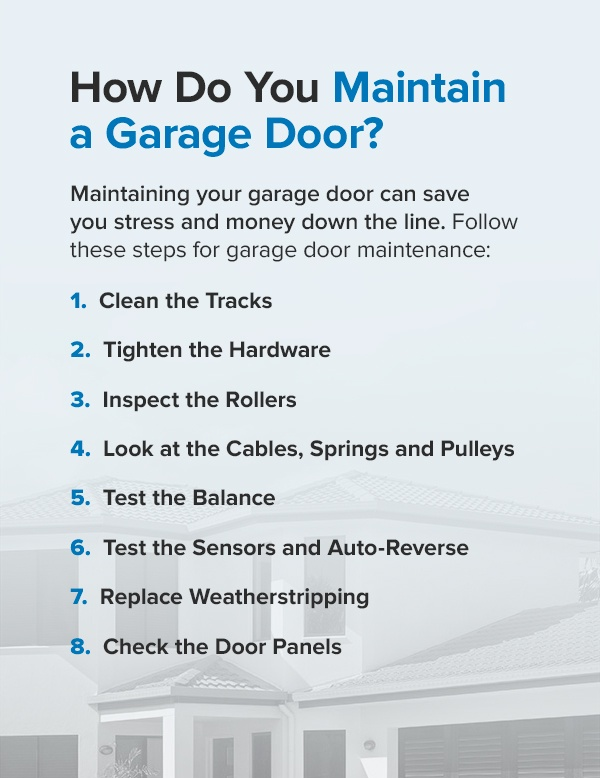
Use this checklist during seasonal home rounds. Each item helps you decide whether repair or full garage door replacement is the right move.
Spring — reset after winter
- Lubricate rollers, hinges, and springs with a silicone or lithium lubricant rated for garage doors.
- Inspect weatherstripping and bottom seals for cracking; replace if brittle to prevent water intrusion.
- Test balance: disconnect opener and manually lift the door halfway. If it drifts, the springs may need replacement or adjustment.
- Check for rust on panels and hardware; surface rust can be treated, but extensive corrosion often indicates time for garage door replacement.
Summer — check hardware and safety
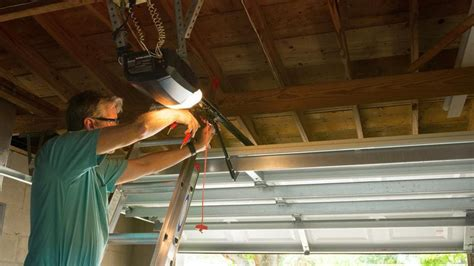
- Inspect opener mounting and fasteners; expansion and contraction can loosen bolts after a cold season.
- Test auto-reverse and photo-eye sensors — dust and misalignment are common summer issues.
- Evaluate insulation performance: if your garage remains hot despite insulated panels, consider an energy-efficient garage door replacement.
Fall — prep for storms and leaves
- Clear tracks and gutters near the garage to prevent debris build-up that can jam the door.
- Check exterior paint and sealants; seasonal paint touch-up preserves metal doors and delays replacement.
- Trim shrubs that rub against panels; repeated contact wears finish and hardware.
Winter — prevent freeze-related failures
- Install or replace robust bottom seals to keep cold air and melting snow out.
- Keep tracks clear of ice. If a frozen door doesn’t move easily, thawing before operation prevents motor burnout.
- Cold makes springs stiffer and more brittle. If you hear creaks or see slow movement, schedule a spring inspection — it could lead to a timely garage door replacement.
When to repair versus when to choose garage door replacement
Repairs are cost-effective for isolated issues: a bent track, a failed opener, a broken spring, or a few damaged panels. Replacement is a better investment when multiple systems show age or when the door no longer meets energy, safety, or curb appeal goals.
Consider replacement if you notice any of the following:
- Repeated spring failures within months of repair.
- Visible frame damage, extensive rust, or warped panels that affect seal and operation.
- High energy bills and poor insulation despite repairs.
- Outdated safety systems or an opener incompatible with modern remotes and smart-home features.
Before you commit to a full garage door replacement, request a local inspection. A technician will rank repairs versus replacement, estimate timelines, and outline expected costs.
Choosing the right replacement and local residential service
Select a garage door replacement that matches Cranford, NJ conditions: rust-resistant materials, insulation value (R-factor), and appropriate finishes for seaside and suburban exposure. Steel doors with quality coatings or composite options often perform well in this climate.
Work with a local company that understands New Jersey permits, common local weather impacts, and timely installation scheduling. Compare warranties for panels, springs, and labor. If you want to read homeowner stories and seasonal tips, visit our blog for detailed posts and project photos.
When you’re ready to act, check a company’s services page for installation options and parts availability — that helps avoid long lead times for custom doors. Our full list of offerings is available at https://garagedoors-cranford.com/services, including insulated models and smart openers.
For permit questions or to arrange a local estimate on garage door replacement, reach out directly using the contact page below. Local crews can advise on seasonal scheduling to avoid winter delays and spring backlogs.
https://garagedoors-cranford.com/contact is the fastest way to request a quote or schedule an inspection in Cranford, NJ.
Maintenance schedule and realistic timelines
Simple seasonal checks take 20–30 minutes and can be done by most homeowners. Professional tune-ups twice a year (spring and fall) take about 45–90 minutes. A planned garage door replacement in Cranford typically schedules within 1–3 weeks, depending on model and custom options. Emergency replacements take longer if parts must be ordered.
Book replacements outside peak seasons (late fall or early spring) for the most flexible installation windows. Your residential service provider can suggest dates that avoid New Jersey holiday and weather pressure points.
Cost factors and warranty considerations
Replacement cost depends on material, insulation, window packages, and opener compatibility. In Cranford, NJ, expect a range: basic steel doors at the low end, insulated and custom wood or composite doors at higher tiers. Ask providers for a written breakdown: door, hardware, opener, labor, and permit fees if required.
Check warranty details on springs, panels, and labor. Some warranties are prorated for parts and exclude labor after a short period; others include multi-year guarantees. Keep records of seasonal maintenance — many warranties require documented care to remain valid.
Frequently Asked Questions
Do Cranford homeowners need a permit for a garage door replacement?
Most simple replacements that don’t alter the structure (frame or header) don’t require a building permit in Cranford. If installation changes framing, electrical, or enlarges the opening, your contractor will advise and handle permits. Always confirm with the local building department if you’re unsure.
How does NJ weather affect spring lifespan and timing for replacement?
Cold snaps and coastal humidity shorten spring lifespan for torsion springs and coatings. Schedule replacements in late spring or early fall to avoid extreme cold or peak humidity, which can complicate installation and lead times.
What is a realistic timeline for a full garage door replacement in Cranford?
For in-stock doors, expect 1–3 business weeks between order and installation. Custom doors or special finishes can extend lead times. Local installers often provide priority scheduling for documented emergencies.
What price range should Cranford homeowners expect for a residential door replacement?
Basic steel doors with standard hardware are the entry tier. Insulated sectional doors or composite styles increase cost. Ask for an itemized estimate and include taxes or permit fees in your budgeting.
Are warranties affected if I skip seasonal maintenance?
Yes. Manufacturer or labor warranties often require routine maintenance. Keep receipts and a maintenance checklist to preserve warranty eligibility, especially for springs and openers.
Helpful local resources in Cranford, NJ
- Garage Door Repair Hoboken
- Garage Door Repair Montclair
- Garage Door Repair Westfield
- Garage Door Repair Summit
- Garage Door Repair Maplewood
- Garage Door Repair Livingston
- Garage Door Repair Short Hills
- Garage Door Repair Princeton
- Garage Door Repair Red Bank
- Garage Door Repair Morristown
- Garage Door Repair Chatham
- Garage Door Repair Mendham
- Garage Door Repair Bernardsville
- Garage Door Repair Bedminster
- Garage Door Repair Clinton
- Garage Door Repair Tenafly
- Garage Door Repair Ridgewood
- Garage Door Repair Upper Saddle River
- Garage Door Repair Wyckoff
- Garage Door Repair Basking Ridge
- Garage Door Repair South Orange
- Garage Door Repair Teaneck
- Garage Door Repair Fort Lee
- Garage Door Repair East Brunswick
- Garage Door Repair Montvale
- Garage Door Repair Haddonfield
- Garage Door Repair Marlboro
- Garage Door Repair Cranford
- Garage Door Repair Voorhees
- Garage Door Repair North Caldwell